What to Prepare Before Starting
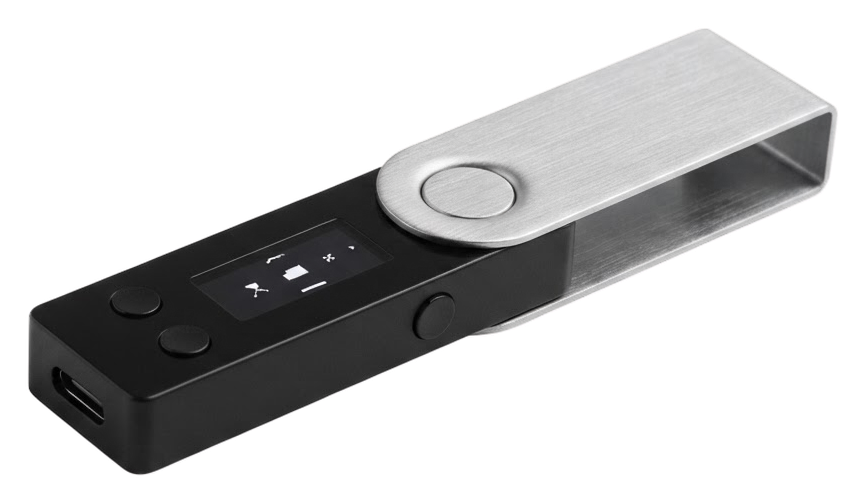
Begin with a computer you control, internet access, your Ledger device and a compatible cable. Follow current model instructions for other connection methods. Set aside a few uninterrupted minutes to read each screen carefully.
Download Ledger Live only from Ledger’s official site or a verified distribution channel, and check the publisher before opening the installer. Search ads and unsolicited links can mislead. Keep your recovery phrase private and offline; desktop software should not ask you to type it.
Understanding the Desktop Setup Flow
Setup usually follows a simple sequence: install the application from a trusted source, choose whether your device is new or already configured, then follow the prompts. Menus change between versions, so use current in-app instructions and official support guidance.
Use the app’s verification process when prompted. Install the relevant network app on your device if required, then add or synchronize an account. A recovery phrase is not a desktop sign-in credential. Don’t reset or restore a device just to make an account appear.
Connecting a Hardware Wallet
Unlock the device with its PIN and connect it as directed. You may need to open a network app on the device before adding an account or preparing an action. If it is not detected, check the cable and port, close other wallet software, and consult official troubleshooting for your model.
For a transaction, compare the destination and amount shown on the hardware wallet with your intent. Approve only if they match. A computer display, pop-up or helper should never replace this check.
Exploring the Main Workspace
The workspace commonly groups portfolio overview, accounts, asset management, activity and settings. The overview summarizes; account views add network detail, while activity lists show pending and completed entries. Labels and functions vary by asset, device and app version.
Portfolio value is an estimate, not a guaranteed cash-out amount. Pricing and network conditions change. Distinguish an account balance from a pending transaction, and check activity details before assuming a transfer is complete.
Accounts and Portfolio Information
Accounts organize activity on supported networks. Visibility depends on the network and setup history. Use clear account names, and check the selected network before sending or receiving; similar asset names can exist on different networks.
Balances and history rely on network data and pricing sources, so synchronization can take time and prices are indicative. If something looks unusual, review account history or visit a trusted network explorer directly.
Security and Privacy Habits
Keep your device PIN and recovery phrase private. Support should not ask you to reveal the phrase. Store it offline, away from cameras and cloud backups; never photograph it or paste it into internet-connected notes, email or password managers.
Lock your computer, install updates from trusted sources, and be cautious with copied addresses. Verify the destination and amount on the device before confirming. Prefer a private, updated computer over a shared machine.
Software Maintenance
Check for app and firmware updates through the application and official release information. Read notes, follow device connection guidance, and don’t interrupt firmware updates. Avoid update files sent by message, ads or unknown sites.
Before updating, ensure your recovery phrase is stored safely offline and review model-specific guidance. It is not a routine update step; if asked for it, stop and verify through official support reached independently.
Common Beginner Mistakes
- 01
Installing from the first search result. Navigate to an official source directly and check the publisher.
- 02
Typing a recovery phrase into a computer. Keep it offline; the desktop app should not need it.
- 03
Approving without reading the device. Verify destination, network and amount on the hardware wallet.
- 04
Assuming a balance is a completed transfer. Review transaction status and account activity.
FAQ
Is Ledger Live Desktop a wallet by itself?
It is companion software for managing supported accounts and activity. A Ledger hardware wallet is used to keep private keys protected and approve supported actions on-device.
Can I use the desktop app without my device?
You may be able to view some previously synchronized information, but device-dependent actions require the relevant hardware wallet. Exact features depend on the account and app version.
Will Ledger Live ask for my recovery phrase?
Do not enter your recovery phrase into Ledger Live, a website, or a support chat. If a prompt requests it, stop and independently verify the instructions through official support.
Why does an account or balance look different?
Synchronization, selected network, market pricing and asset support can affect what appears. Check the account and activity details, then consult official product support if it remains unclear.
Final Checklist
01App downloaded from a verified official source
02Device connected and verified as prompted
03Recovery phrase kept offline and private
04Transaction details checked on the device
Think of Ledger Live Desktop as a clear view of your accounts, paired with careful device checks. Move deliberately, verify consequential actions on the hardware wallet, and use current official instructions when screens differ.
Visit Ledger’s product information